
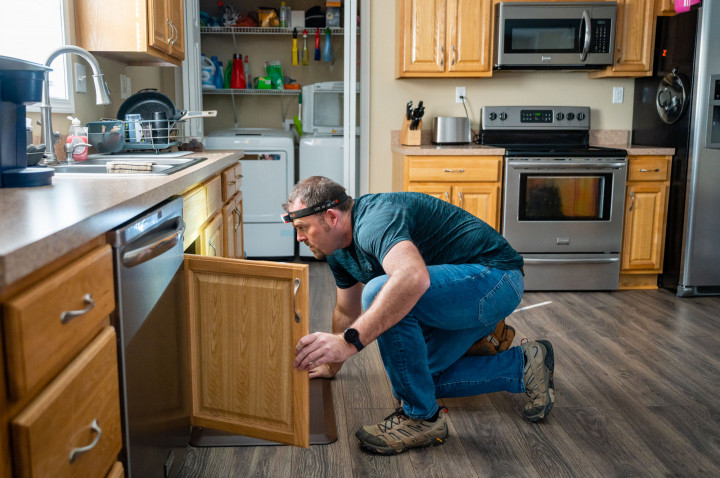
New Build Warranty Inspection
A new build warranty inspection (or 11-month inspection) is a professional assessment we can conduct just before the builder’s one-year warranty expires. It identifies defects, such as structural settling, plumbing leaks, or HVAC issues, allowing you to submit a list of repairs to the builder, saving on future maintenance costs. A whole-house inspection scheduled at the 11-month mark will enable you to take advantage of your warranty coverage. After it expires, your warranty no longer applies; the liability and repair costs are yours, even if the problem existed during the warranty period.
Key Aspects of New Build Warranty Inspections
Key Aspects of New Build Warranty Inspections
- Timing: Schedule the inspection during the 11th month of ownership to allow time for report generation and submission to the builder before the 1-year mark.
- What is Inspected: We evaluate the roof, foundation, electrical systems, plumbing, HVAC, walls, and appliances for proper installation and function.
- Commonly Found Issues: We often identify issues with grading/drainage, roofing, caulking, windows, and HVAC performance.
- Purpose: To detect hidden flaws or issues that developed during the “settling” period that the builder is still responsible for fixing.
Benefits
Benefits
- Saves Money: Fixes defects before they become YOUR financial responsibility and not the warranty company.
- Safety & Quality: Ensures the home is safe and properly constructed.
- Documentation: Provides a formal, written report with photos to support your warranty claims.
How To Approach It
It is possible to get the maximum out of your builder warranty inspection in the following ways:
- Plan it around the 10th or 11th month of occupancy. Do not wait until week 51 or 52 when things may be hurried.
- Do not use your builder’s in-house staff. You want an unbiased inspection.
- Come along on the inspection; you will learn a lot about your home and systems.
- Document everything. Get the report with photos. Use it while dealing with your builder.
- Check out the scope and warranty criteria for your builder. Understand what’s included in the coverage so you can ask intelligent questions.
- Be prepared to act. Once our inspection is complete, provide the builder with your list, ensuring the warranty is still in effect.