
Lead Testing
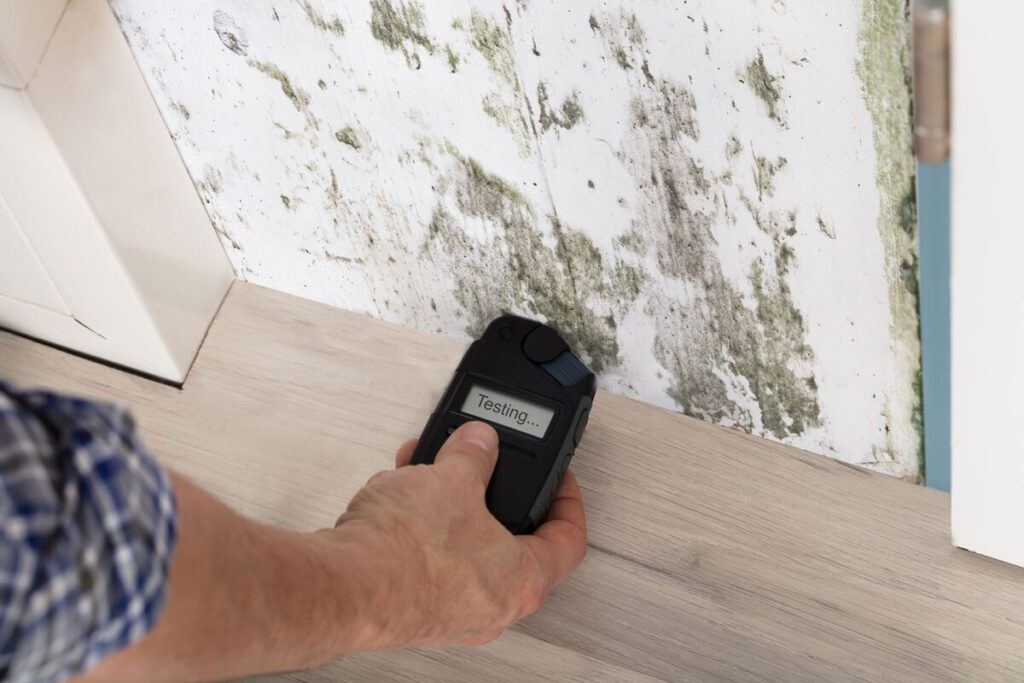
Home lead testing identifies lead-based paint, dust, and soil hazards, primarily in homes built before the 1970s. Certified professionals use X-ray fluorescence (XRF) devices for non-destructive, instant results. While DIY kits exist, they are less reliable than professional testing, which is recommended for safety.
The older your home, the more likely it contains lead-based paint. For example, 87% of homes built before 1940 have some lead-based paint, while 24% of homes built between 1960 and 1978 have some lead-based paint. Lead-based paint may be present in private single-family homes or apartments, government-assisted, or public housing, and in urban, suburban, or rural settings.
If you want to know whether or not your home contains lead-based paint, EPA recommends one of the following:
- Assume your home contains lead-based paint and take the appropriate precautions. In pre-1978 homes and buildings, this is the simplest and safest approach.
- Hire a certified professional (like us) to check for lead-based paint. We will conduct an inspection and determine whether your home or a portion of your home has lead-based paint and where it is located. This will tell you the areas in your home where lead-safe work practices should be used for renovation, repair, or painting jobs. We can conduct a risk assessment telling you whether your home currently has any lead hazards from lead in paint, dust, or soil. We can also guide you as to what actions to take to address any hazards.
Types of Lead Testing Services
- Lead-Based Paint Inspection: A surface-by-surface investigation to determine if lead-based paint exists and where it is located.
- Lead Risk Assessment: An on-site investigation that identifies the presence, type, severity, and location of lead-based paint hazards (paint, dust, and soil) and provides actionable solutions.
- Combined Inspection and Risk Assessment: A comprehensive, in-depth evaluation of the entire property.
Professional Testing vs. DIY Kits
- Professional (XRF Scanner): We use XRF machines to detect lead through layers of paint without damaging surfaces. This is considered the most accurate method.
- DIY Kits: While convenient, EPA-recognized kits (e.g., 3M LeadCheck) are less reliable than professional testing, particularly in homes with children.
When To Test
- Pre-purchase: Before buying a home built before 1978.
- Renovation/Remodeling: Before tearing into walls, painting, or renovating older homes to avoid releasing toxic dust.
- Child Occupancy: If children under 6 are present in a pre-1978 home.
What To Expect in a Report
- Locations of lead-based paint.
- Severity of hazards.
- Recommendations and guidance for removal or other options such as abatement.