
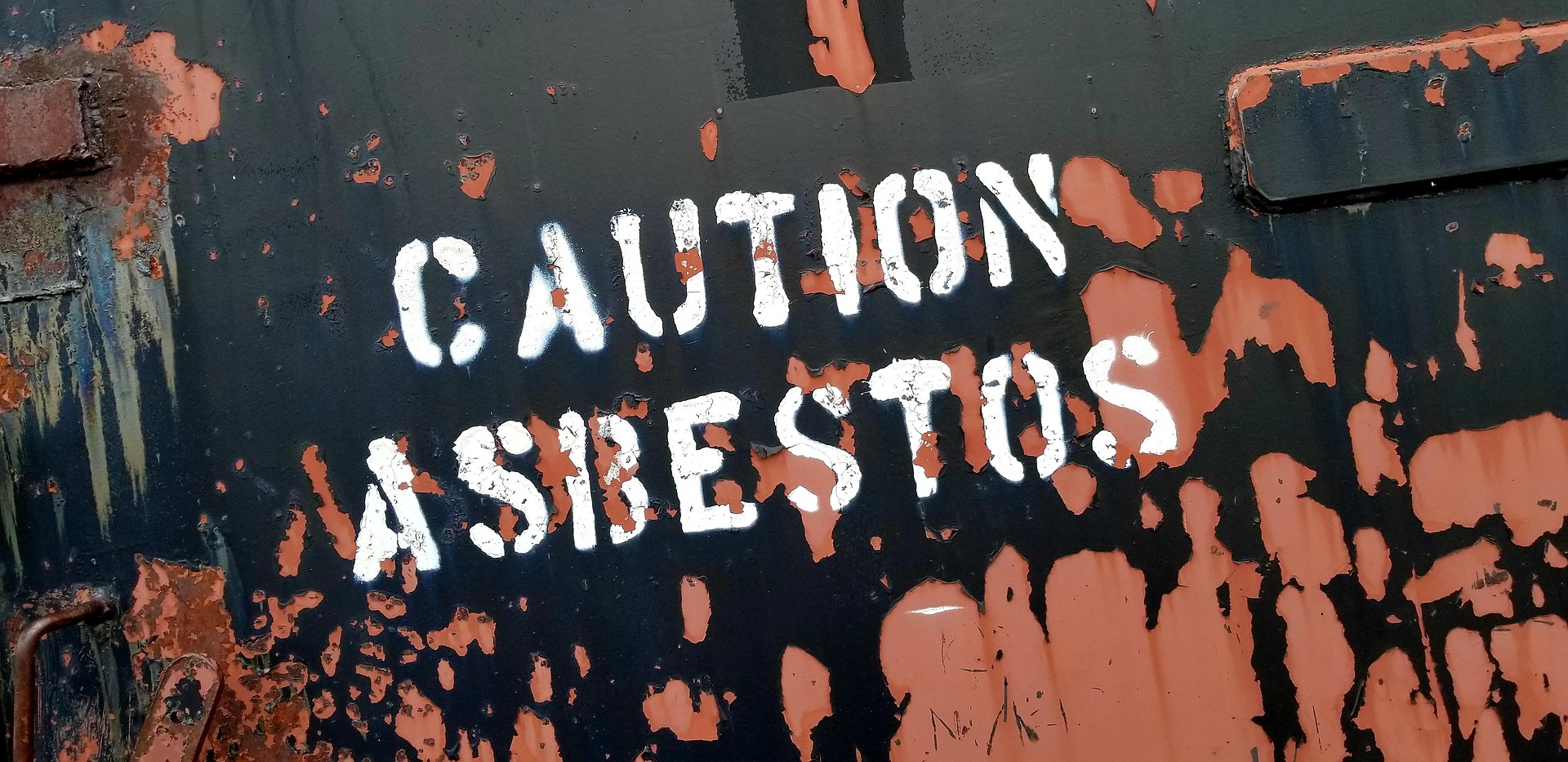
Asbestos Testing
Asbestos in homes poses a severe health risk because it can release fibers that can cause chronic, fatal diseases like mesothelioma, lung cancer, and asbestosis.
Home inspection asbestos testing identifies potential asbestos-containing materials (ACMs)— including insulation, popcorn ceilings, vinyl flooring, and pipe wrap —in older homes. Our certified inspectors visually assess the property, takes samples and sends them to a lab to determine the presence of any hazardous material. We provide the lab report to guide safe, informed renovation or remediation decisions.
Key Aspects of Asbestos Testing:
- Identification: We locate materials that might contain asbestos, commonly found in homes built in the 1970s and earlier.
- Sampling and Analysis: Samples of materials (e.g., floor tiles, drywall, insulation) are collected and sent off to a certified laboratory to be analyzed to determine the presence of hazardous content.
- Safety Assessment: Our inspector determines if materials are damaged or “friable” (crumbly) and allowing fibers to be released into the air.
- Action Plan: If asbestos is found, our inspector will provide guidance to you on any necessary mitigation or removal.
While general home inspectors may not look for it, a specialized asbestos inspection is highly recommended for older homes to prevent exposure during renovations.
What should trigger an asbestos inspection?
1. Your Home Was Built Before the 1980s
Homes constructed before the 1980s are more likely to contain asbestos. According to the U.S. Census Bureau 2019 American Community Survey, approximately 12% of homes were built prior to 1940, and more than half of the houses were built before 1980. This timeline aligns with the peak usage of asbestos, making inspections essential for older properties.
Over time, aging building materials can deteriorate, releasing harmful asbestos fibers into the air. Even if renovations or updates have been made, asbestos-containing materials could still be hidden in walls, ceilings, or under flooring. A thorough inspection ensures these hidden dangers are addressed.
2. You’re Planning a Renovation
Renovation projects can disturb asbestos-containing materials, releasing fibers that can be inhaled. If you’re planning to remodel, particularly in older homes, it’s essential to conduct an asbestos inspection before starting any work. Common renovation activities like sanding, drilling, or tearing down walls can inadvertently expose you and your contractors to asbestos.
Inspections can identify areas of concern, allowing you to take proper precautions. Hiring a professional to remove asbestos before renovations ensures a safer working environment and protects your household.
3. You’ve Noticed Deteriorating Building Materials
If you’ve observed crumbling ceiling tiles, peeling paint, or deteriorating insulation, these could be signs of asbestos-containing materials breaking down. When asbestos-containing products degrade, they release tiny fibers into the air, which can be inhaled or ingested. Prolonged exposure to these fibers increases the risk of developing severe health conditions such as mesothelioma, asbestosis, or lung cancer.
An inspection can pinpoint the source of the damage and help you decide on the next steps, whether it’s encapsulation or complete removal.
4. You’re Buying or Selling an Older Home
Real estate transactions often require inspections to ensure the safety and quality of the property. If you’re buying an older home, an asbestos inspection provides peace of mind that the house is free from dangerous materials. This is especially important for families with young children or individuals with pre-existing respiratory issues.
For sellers, providing documentation of a clean asbestos inspection can make your property more appealing to buyers. If asbestos is found, addressing it before the sale can prevent potential complications or delays in closing.
5. You’ve Experienced Storm Damage
Severe weather events like hurricanes, tornadoes, or heavy storms can damage a home’s structure, potentially disturbing asbestos-containing materials. For instance, high winds may tear off siding or roofing that contains asbestos, while flooding can deteriorate asbestos insulation or flooring.
After a storm, it’s a good idea to inspect your home for asbestos, especially if you plan to repair or rebuild. This ensures that any risks are identified and mitigated before the restoration process begins.
6. You’re Concerned About Indoor Air Quality
Indoor air quality plays a crucial role in your family’s health and comfort. If you’ve noticed unexplained respiratory issues, chronic coughing, or other symptoms among household members, asbestos fibers could be a contributing factor. While these symptoms can also indicate other air quality problems, an inspection helps rule out asbestos as a potential cause.
Additionally, homes with poor ventilation may exacerbate the problem by allowing asbestos fibers to linger in the air. By addressing asbestos concerns, you can significantly improve the safety and quality of your home’s indoor environment.
7. You’ve Recently Moved Into An Older Property
If you’ve recently purchased or rented an older home, it’s wise to schedule an asbestos inspection. Even if the property passed a general home inspection, asbestos testing is typically not included in standard evaluations. As a new occupant, you may not be aware of the condition or maintenance history of the home, including whether previous owners addressed potential asbestos issues.
An inspection ensures your living environment is safe and allows you to take necessary steps to mitigate risks before settling in. This is particularly important if you have children, elderly family members, or individuals with pre-existing respiratory conditions in your household.
Asbestos isn’t a hazard to take lightly, and a professional inspection is the best way to safeguard your home and family. Take proactive steps today to ensure a safer and healthier living environment.